
Tax Deductions for Actors: Your Complete Guide

Most working actors pay more tax than they should every year. Not because they earn too much, but because no one ever showed them what they are allowed to deduct by law. Studies of self-employed creative workers show the same thing: many lose hundreds, even thousands, of dollars each year by missing deductions that were […]

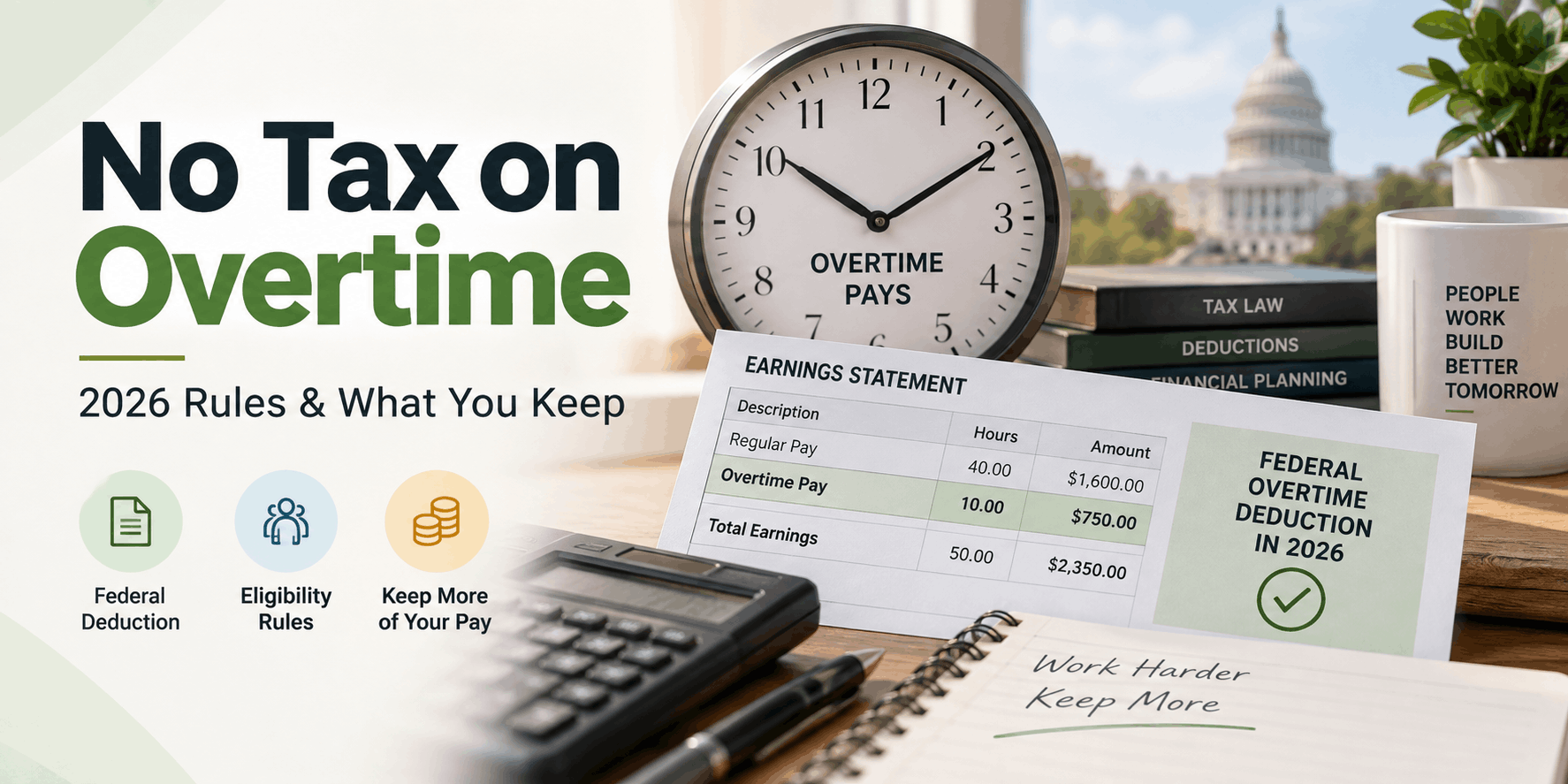
Labor-Centric Exemptions and the “No Tax on Overtime” Deduction

The Working Families Tax Cut Act introduces aggressive, labor-focused tax incentives designed specifically to benefit wage earners subject to standard hourly compensation structures and those heavily reliant on gratuities. These provisions, widely referred to in legislative discourse as “No Tax on Overtime” and “No Tax on Tips,” require exact execution and exhaustive documentation by both […]

Independent Contractor Compliance and the Adjusted Form 1099 Thresholds

The engagement and compensation of independent contractors form the operational backbone of the modern entertainment and media production industries. Corporations, Limited Liability Companies, and individual producers routinely disburse nonemployee compensation to vast networks of specialized personnel, ranging from set designers, lighting technicians, and acoustic engineers to independent creative talent and post-production consultants. Historically, the Internal […]

Navigating the Extended Section 199A Qualified Business Income Deduction

Internal Revenue Code Section 199A provides a potent mechanism for reducing the effective tax rate applied to ordinary income generated by pass-through entities. The statutorily defined Qualified Business Income (QBI) deduction allows eligible non-corporate taxpayers to deduct up to twenty percent of their qualified business income, effectively shielding a fifth of business profits from top-tier […]