For California homeowners, preserving a low property tax base is a key part of financial planning. Thanks to Proposition 13, your property taxes are based on your purchase price, with minimal annual increases. However, a reassessment of the current market value – which can happen during ownership changes or inheritance – can dramatically increase your tax bill. This guide explains the rules under Propositions 13 and 19 and outlines effective, legal strategies to protect your family’s wealth.
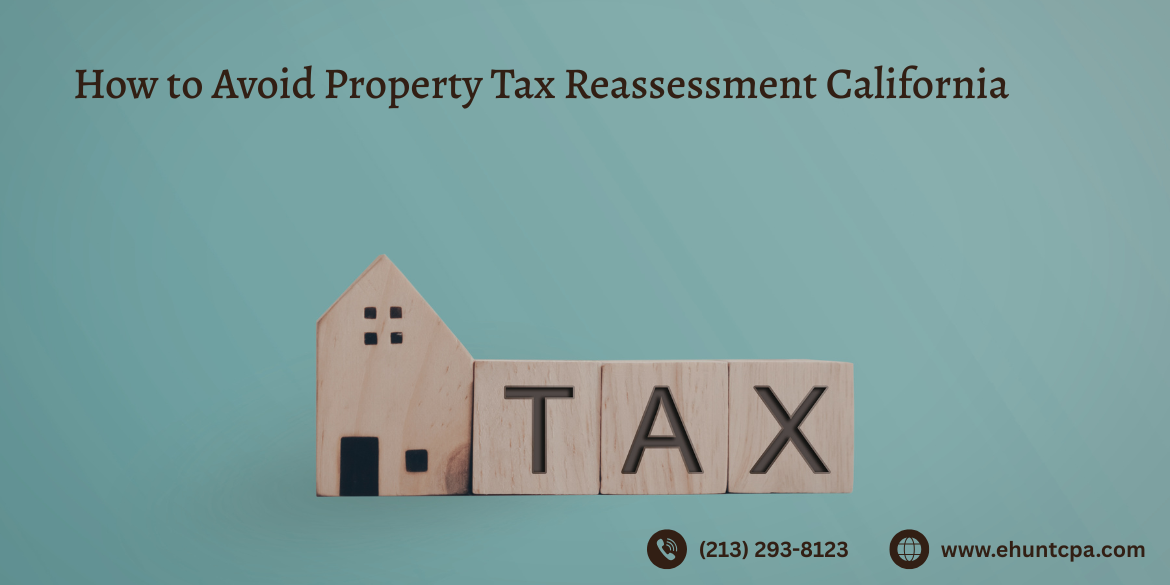
How to Avoid Property Tax Reassessment California
A reassessment is triggered by a “change in ownership,” which includes sales, most gifts, and adding people to a title. The core strategy for avoiding it is to structure transfers so they qualify for specific exclusions under the law.
Navigating Proposition 19 for Family Transfers
Proposition 19 (2021) significantly changed the rules for inheriting property. It restricted the popular parent-child exclusion that existed under the old Proposition 58.
Here’s what you need to know for transfers to children:
- Principal Residence is Key: To avoid reassessment, the child must use the inherited home as their primary residence and file for a homeowner’s exemption.
- The $1 Million Cap: The tax benefit is limited. The child’s new taxable value will be the parent’s old value plus the difference over an inflation-adjusted threshold (now over $1.04 million). For a home worth $1.5 million with an old tax base of $200,000, part of the value would be reassessed.
- Other Properties Are Reassessed: Prop 19 eliminated the exclusion for rentals, vacation homes, and commercial properties. These will be fully reassessed to market value upon transfer.
- A Benefit for Homeowners 55+: Prop 19 also allows homeowners who are 55 or older, severely disabled, or disaster victims to transfer their low Prop 13 tax base to a replacement home anywhere in California, up to three times.
Using a Trust for Property Transfers
Placing property in a revocable living trust is a common estate planning tool. This transfer does not trigger reassessment while you are alive, as you retain control over your assets. However, it does not protect the property from reassessment after your death. When the property passes to your children through the trust, the standard Prop 19 rules apply.
The LLC Strategy for Investment Properties
For properties that no longer qualify for the parent-child exclusion (like rental or vacation homes), using a Limited Liability Company (LLC) presents a powerful strategy.
Instead of transferring the property deed, you transfer ownership interests (shares) in the LLC that holds the property. The key is to stay under a critical threshold: if cumulative transfers to new people exceed 50% of the ownership interests, the underlying property can be reassessed.
A common tactic is a gradual gifting plan, where you gift small percentages of LLC membership to children each year. This leverages annual gift tax exclusions and avoids triggering the 50% change-in-control rule. This strategy is complex and requires precise legal and tax guidance to avoid pitfalls.
Essential Steps and Common Mistakes
- File the Required Forms: Exclusions are not automatic. You must file the correct claim form (such as the Claim for Reassessment Exclusion) with your county assessor within the deadlines, typically three years after a transfer.
- Consult a Specialist First: Never assume that adding a family member to a deed or making a gift is tax-neutral. Always seek advice from a professional specializing in California property tax law.
- Beware of the “Step Transaction” Doctrine: Tax authorities may challenge a series of gradual LLC transfers if they appear designed solely to avoid taxes. Proper structure is critical.
- Coordinate Your Professional Team: Effective planning requires collaboration between your estate planning attorney and a CPA firm with expertise in this niche, like ehuntcpa.com. They can ensure your strategy is legally sound and financially optimized.
How a Specialized CPA Firm Can Help
A firm like ehuntcpa.com provides crucial services for advanced planning:
- Analyzing Savings: They calculate the potential tax savings of an LLC strategy versus its costs.
- Ensuring Compliance: They handle complex entity tax filings and track the basis of gifted interests.
- Providing Holistic Advice: They integrate property tax strategies with your overall estate and financial plan to create a comprehensive approach.
Conclusion and Your Next Step
While Proposition 19 made preserving a low tax base more challenging, proactive and sophisticated planning using tools like LLCs remains highly effective. The goal is to establish a legal framework that enables your family to retain property without being burdened by a substantial tax increase.
Your next step is to evaluate your specific situation. Review your property holdings and consult with professionals who can develop a personalized plan tailored to your needs. Protecting your Prop 13 base is a proactive process that safeguards your legacy.
For expert guidance on navigating California’s complex property tax laws, consider contacting the specialists at https://ehuntcpa.com/.
Frequently Asked Questions (FAQs)
1. Does refinancing trigger a reassessment?
No, refinancing your mortgage alone does not trigger a reassessment of your property taxes.
2. Can I add my child to my deed without triggering reassessment?
Typically, yes, but this may result in a gift of partial ownership and potentially lead to future reassessment; therefore, professional advice is essential.
3. Do all inheriting children have to live in the home?
No, under Prop 19, only one inheriting child is required to establish it as their primary residence.
4. What if my child moves out of the inherited home later?
The exclusion is removed, and the home will be reassessed at its market value as of the date of inheritance.
5. Are transfers between spouses reassessed?
No, transfers between spouses, including due to death or divorce, are automatically excluded from reassessment.